
SBR Guidelines A, B and C: What Is the Difference in Vibration Measurements?
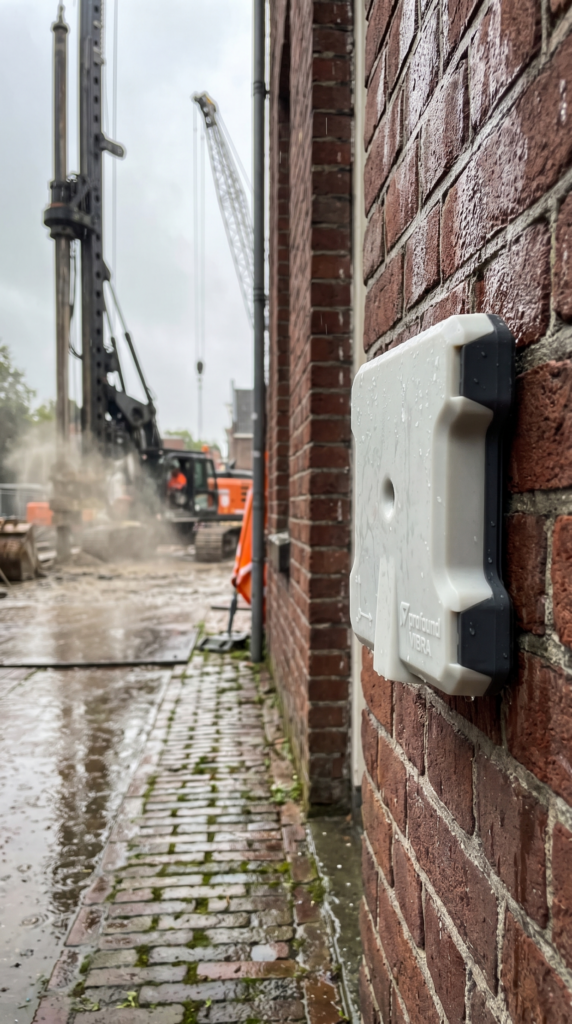
SBR Guidelines A, B and C: What Is the Difference in Vibration Measurements? On a construction or infrastructure project, vibrations can be caused by pile driving, soil compaction, demolition or heavy traffic. Especially when buildings or sensitive installations are nearby, it is important to know which vibrations occur and how the measurement results should be […]
Pile Integrity Testing vs Dynamic Load Testing: Which Method Do You Need?

A pile can show a consistent integrity-test response without its load-bearing performance having been demonstrated. Choosing a test starts with the question you need to answer: continuity, resistance or behaviour during installation.
Settlement Monitoring Explained: How to Monitor Building Settlement During Construction

Settlement Monitoring Explained: How to Monitor Building Settlement During Construction Settlement is a normal geotechnical process, but during construction even small vertical movements can become a serious concern. Excavation, tunnelling, dewatering, piling and changes in ground loading can all affect the soil beneath or around existing structures. The challenge is that settlement often develops gradually. […]
Common Mistakes in Vibration Monitoring on Construction Projects

Common Mistakes in Vibration Monitoring on Construction Projects Vibration monitoring has become a standard requirement on construction projects near existing buildings. Yet a monitoring setup that exists on paper is not the same as a monitoring setup that actually protects the project. Many of the disputes, work stoppages, and rejected compliance reports we encounter trace […]
Vibration Monitoring During Pile Driving: Risks and Approach

Vibration Monitoring During Pile Driving: Risks and Approach Pile driving is one of the most vibration-intensive activities in construction. Every hammer blow or vibratory cycle transfers energy directly into the ground, and that energy travels outward toward foundations, buildings, underground utilities, and the people living or working nearby. On most projects, vibration monitoring during piling […]
New in 2026: Three updates for the Vibra 5+
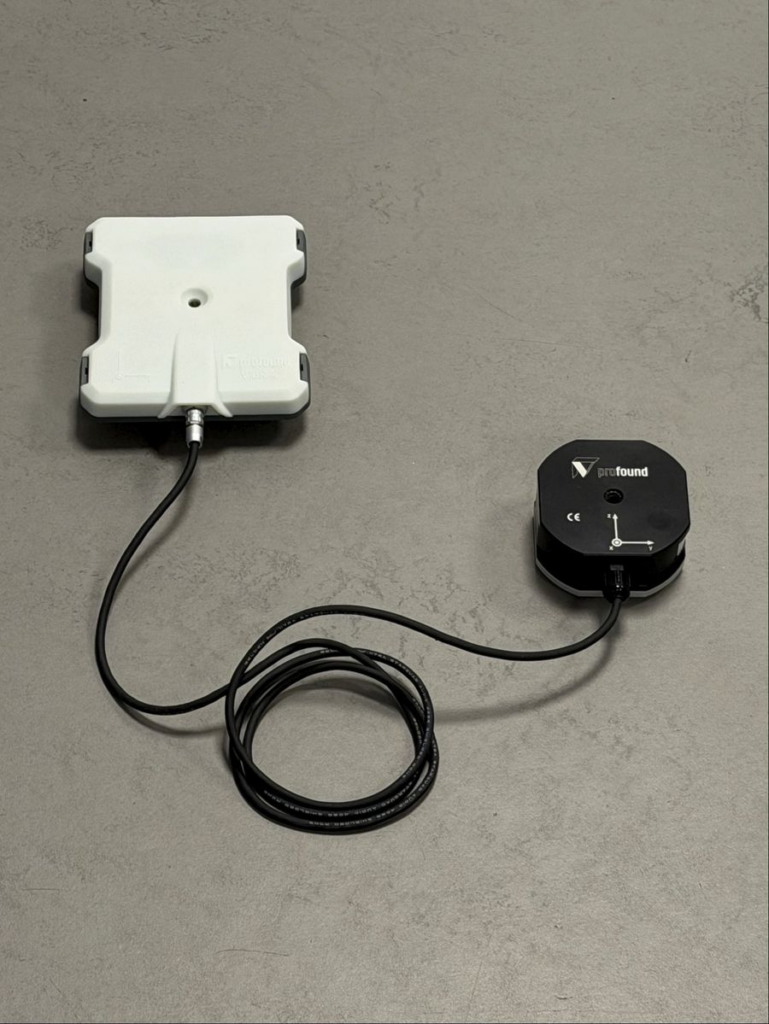
VIBRA5 · Product update 2026 Three New Features for Smarter Vibration Monitoring The VIBRA5 platform has been expanded on two fronts: more sensors you can connect, and more powerful capabilities in the Profound Portal. Here is what is new. See the updates Contact Profound What’s new Less manual work. More data. More places to measure. […]
DIN 4150-3 Explained: What Do the Limit Values Mean in Practice?

DIN 4150-3 Explained: What Do the Limit Values Mean in Practice? If you work in construction, demolition, or civil engineering near existing structures, you have almost certainly encountered DIN 4150-3. It is the German standard for assessing vibration effects on structures, and it is widely applied across Europe, including on Dutch projects where it is […]
How Is Vibration Frequency Measured?

Measuring Vibration Frequency Frequency is one of the most important parameters in vibration monitoring. Understanding how it is measured helps you interpret compliance reports, set correct thresholds, and protect structures more effectively. Every vibration has two defining characteristics: how fast the motion occurs (frequency) and how intense it is (amplitude). Standards like DIN 4150-3 and […]
Interpreting WOODPECKER Measurements

Interpreting WOODPECKER Measurements How to estimate wood density from mm readings and what influences the result The WOODPECKER wood integrity tester is used to assess wood condition by measuring penetration depth at a fixed impact energy. In practice, users often ask the same question: how do you interpret a reading in millimetres, and can that […]
PDA & DLT Pile Testing Explained | ASTM D4945 Dynamic Load Testing
PDA & DLT Pile Testing in Accordance with ASTM D4945 From Accurate Measurements to Reliable Static Bearing Capacity Dynamic pile testing, including Pile Driving Analysis (PDA) and Dynamic Load Testing (DLT), is widely used to assess pile behaviour and bearing capacity during and after installation. When performed correctly, these methods provide a reliable and efficient […]